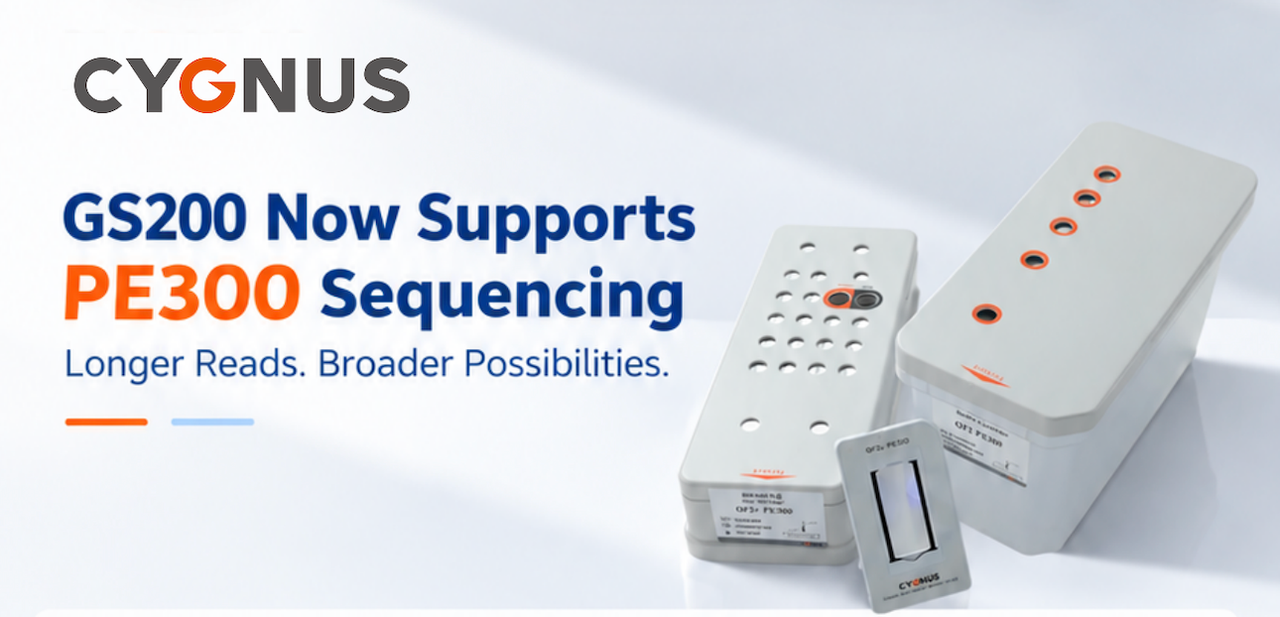
GS100 & GS200
Easy to Run, Ready for a Wide Range of Sequencing Needs

Easy to Run, Ready for a Wide Range of Sequencing Needs
The GS Series brings together flexible throughput, streamlined operation, and innovative LumoSeq chemistry, giving laboratories more freedom to plan sequencing runs, manage different sample volumes, and support a broad range of research and clinical laboratory applications.
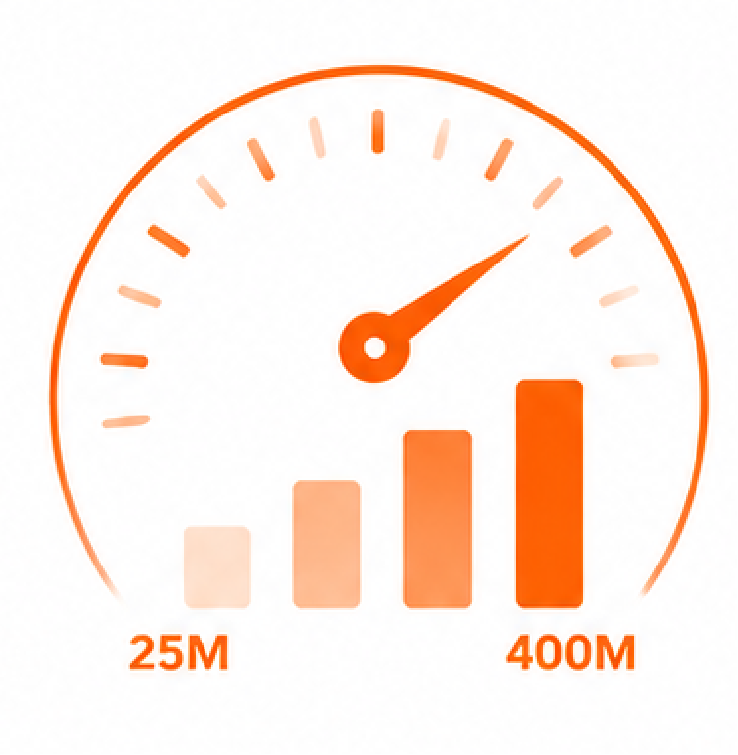
With a broad output range from 25M to 400M reads, the GS Series enables flexible run configuration for different sample volumes and project needs.
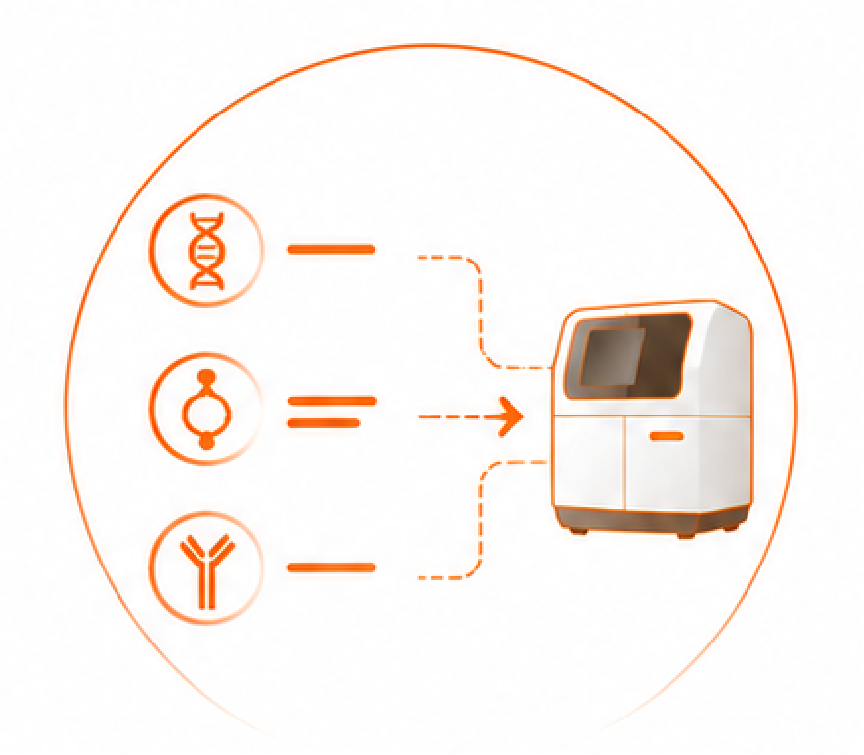
Sequence multiple application libraries together in one run, with real-time configuration to generate the read lengths required for different workflows.
Built on the GS sequencing system, it integrates CYGNUS-developed LumoSeq technology to deliver high-quality, high-accuracy sequencing across diverse library types, without the need for additional balancing.
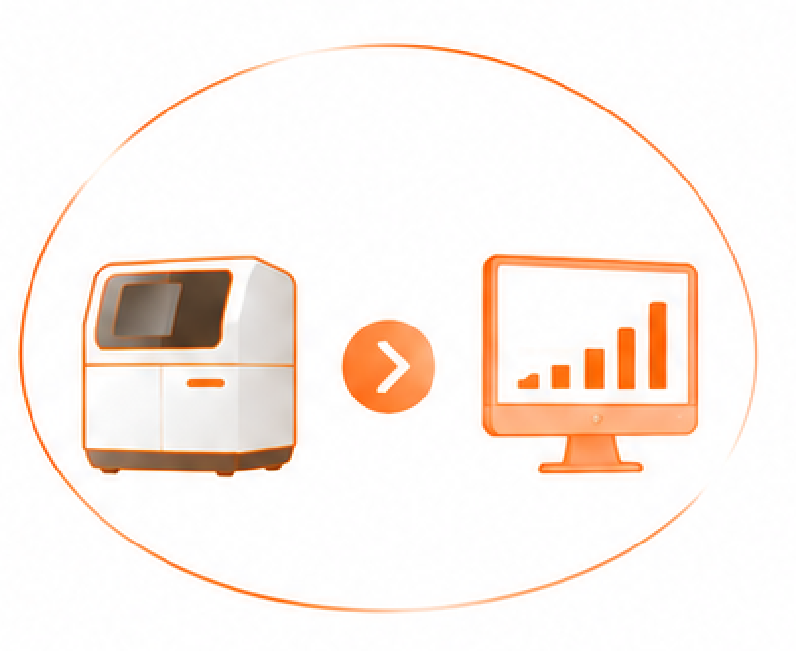
Paired with the CYGNUS X1 Bioinformatics System, the GS Series provides a streamlined end-to-end solution, covering the full workflow from sequencing to data analysis.
From instrument setup to sequencing runs, the GS Series offers an intuitive user experience and consistent sequencing performance, helping laboratories work with greater efficiency.
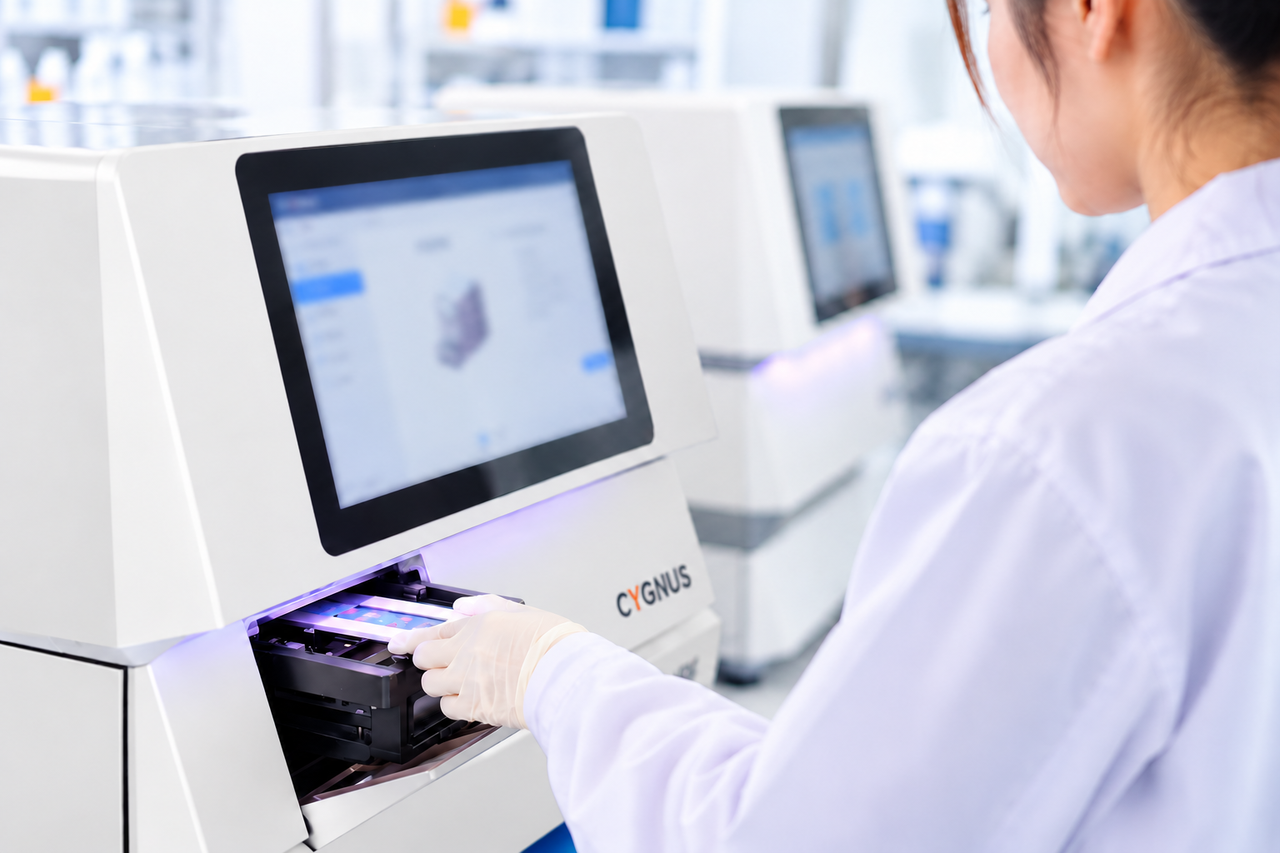
Discover the latest GS Series innovations, product updates, and research highlights, bringing new possibilities to sequencing and scientific discovery.
Find sequencing applications and focus areas for your research.
Applications
Focus Areas
20-minute setup, 6.5–35-hour sequencing, and automated data transfer to the bioinformatics workstation.
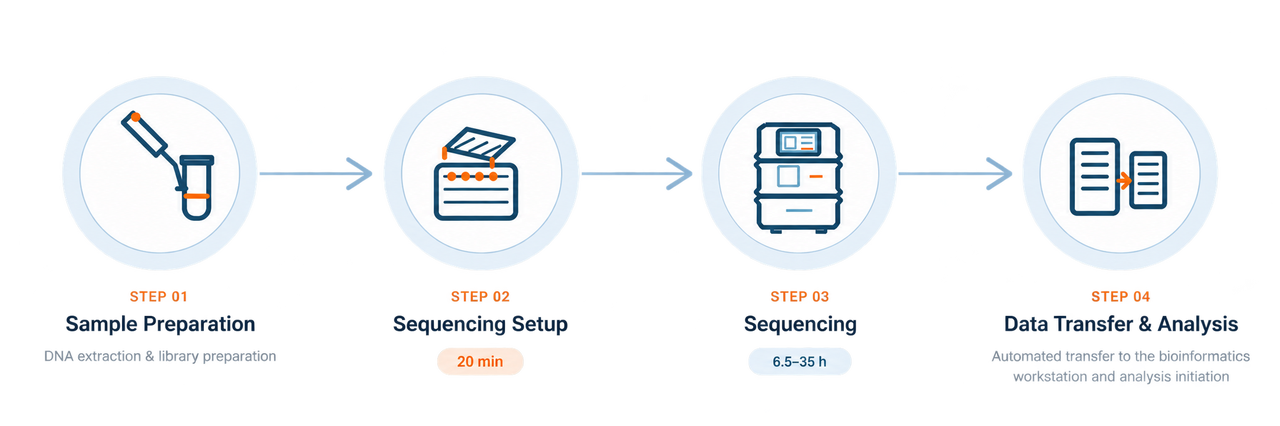
Flexible sequencing for a range of research needs. Explore output, run time, and data quality across supported configurations, with consistent Q30 and Q40 specifications across read lengths.
| Read Length | 25Mᵃ | 50Mᵃ | 100Mᵃ | 200Mᵇ | 400Mᵇ |
|---|---|---|---|---|---|
| 1 × 50 bp | — | — | 5 | 10 | 20 |
| 1 × 100 bp | 2.5 | 5 | 10 | 20 | 40 |
| 2 × 100 bp | — | — | 20 | 40 | 80 |
| 2 × 150 bp | 7.5 | 15 | 30 | 60 | 120 |
| 2 × 300 bp | — | 30 | — | — | — |
ᵃ The 25M, 50M, and 100M read tiers are available for both GS100 and GS200.
ᵇ The 200M and 400M read tiers are available for GS200 only.
— Not listed in the original table.
| Read Length | 25Mᵃ | 50Mᵃ | 100Mᵃ | 200Mᵇ | 400Mᵇ |
|---|---|---|---|---|---|
| 1 × 50 bp | — | — | 6.5 | 6.6 | 7.5 |
| 1 × 100 bp | 8 | 9.5 | 8.5 | 9.5 | 11.5 |
| 2 × 100 bp | — | — | 16.5 | 18.5 | 22 |
| 2 × 150 bp | 19.5 | 26 | 24 | 28 | 35 |
| 2 × 300 bp | — | 72 | — | — | — |
ᵃ The 25M, 50M, and 100M read tiers are available for both GS100 and GS200.
ᵇ The 200M and 400M read tiers are available for GS200 only.
— Not listed in the original table.
| Quality Metric | Specification |
|---|---|
| Q30 | ≥ 95% |
| Q40 | ≥ 85% |
*Q30 and Q40 specifications are consistent across all GS100 and GS200 configurations.
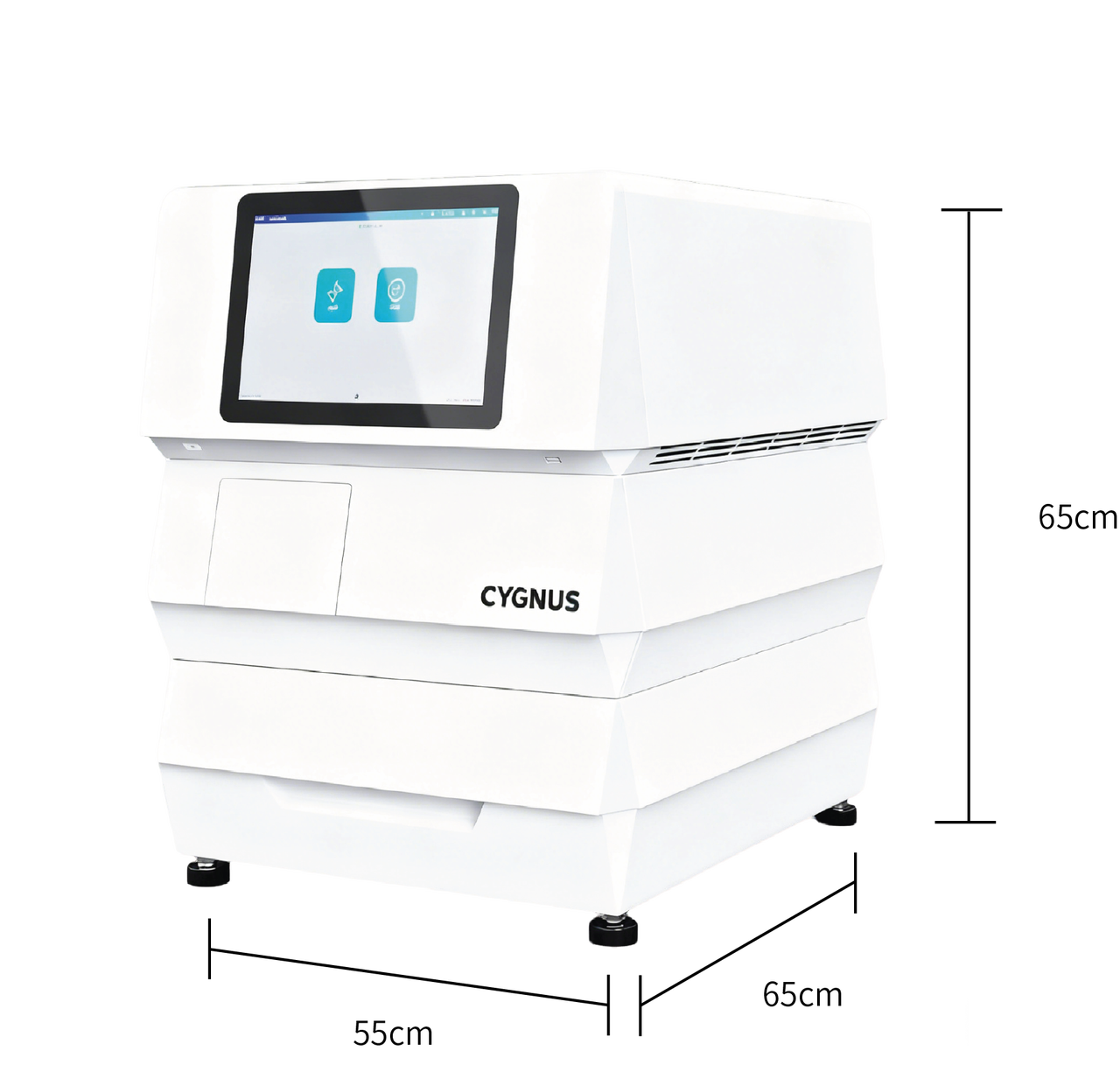
| Dimensions (W x D x H) | 55cm x 65cm x 65cm |
| Package Dimensions (W x D x H) | 67.6cm x 90cm x 98cm |
| Weight | 90kg |
| Crated weight | 165kg |
Estimated sample throughput for key applications
| Application type | 25M | 50M | 100M | 200M | 400M |
|---|---|---|---|---|---|
| mNGS SE50 20M Reads | 1 | 2 | 5 | 10 | 20 |
| tNGS SE100 1M Reads | 24 | 48 | 96 | 192 | 384 |
| Targeted panel of tumor (tissue) PE150 1Gb/sample | 7 | 14 | 30 | 60 | 120 |
| Targeted panel of tumor (blood) PE150 6Gb/sample | - | 2 | 5 | 10 | 20 |
| PGT-A SE100 3M/Reads | 8 | 16 | 32 | 64 | 128 |
| NIPT SE50 6M/Reads | 4 | 8 | 16 | 32 | 64 |
| WES PE150 15Gb/sample | - | 1 | 1-2 | 3-5 | 6-10 |
Specifications, configurations and ordering information in one document.
DownloadResearch publications featuring GS Series sequencing systems across diverse applications.
ReadExpert support from application scientists, engineers and bioinformaticians across instrument operation, applications and data analysis.
Read